
This logistics company lacked an internal platform to efficiently consolidate data feeds from multiple sources, hindering streamlined operations. With existing products in their ecosystem, they required a centralized solution to seamlessly integrate various templates, partners, and connections, enabling smoother company processing.
In the current state of the project, there was no existing product that could effectively integrate all the various data feeds. While there were other products within their lineup, none had the capabilities to seamlessly connect with the diverse array of data feeds collected from different sources. This gap underscored the need for a new solution that could efficiently consolidate and leverage these data feeds to enhance operations and services.

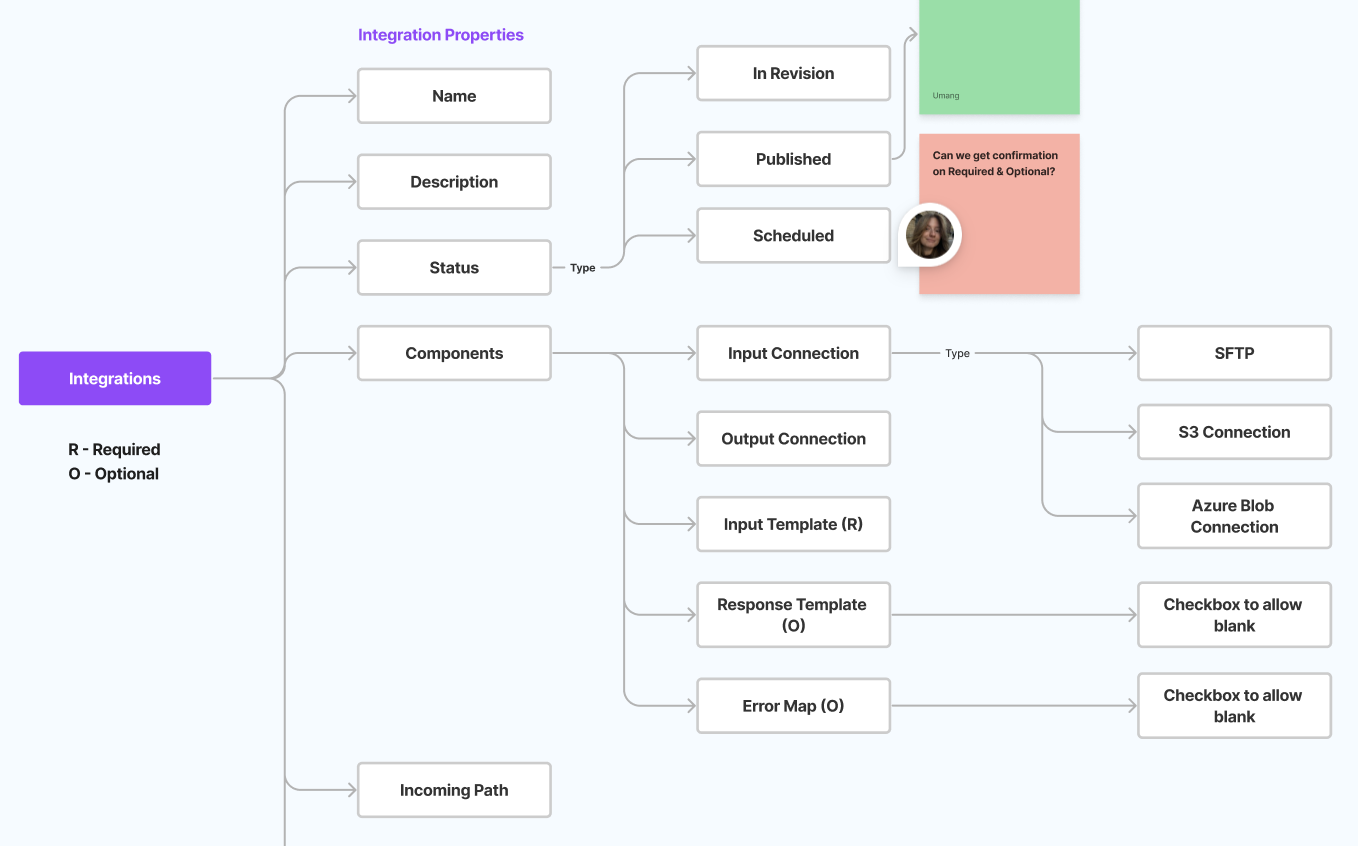
We conducted a series of discovery sessions to thoroughly explore the requirements of the product. This involved analyzing various user paths, identifying different flows, and anticipating potential error scenarios. Subsequently, we carefully reviewed the documentation provided by the team to gain a comprehensive understanding of the project scope and deliverables.


We utilized wireframing and diagramming extensively to visualize the proposed design concepts and system architecture. These wireframes and diagrams served as tangible representations of our ideas, allowing us to effectively communicate with client stakeholders.

After iterating based on stakeholder feedback, we recognized the need for consistency and scalability in our design approach. To address this, we implemented a design system, which served as a centralized repository of reusable components, patterns, and guidelines.


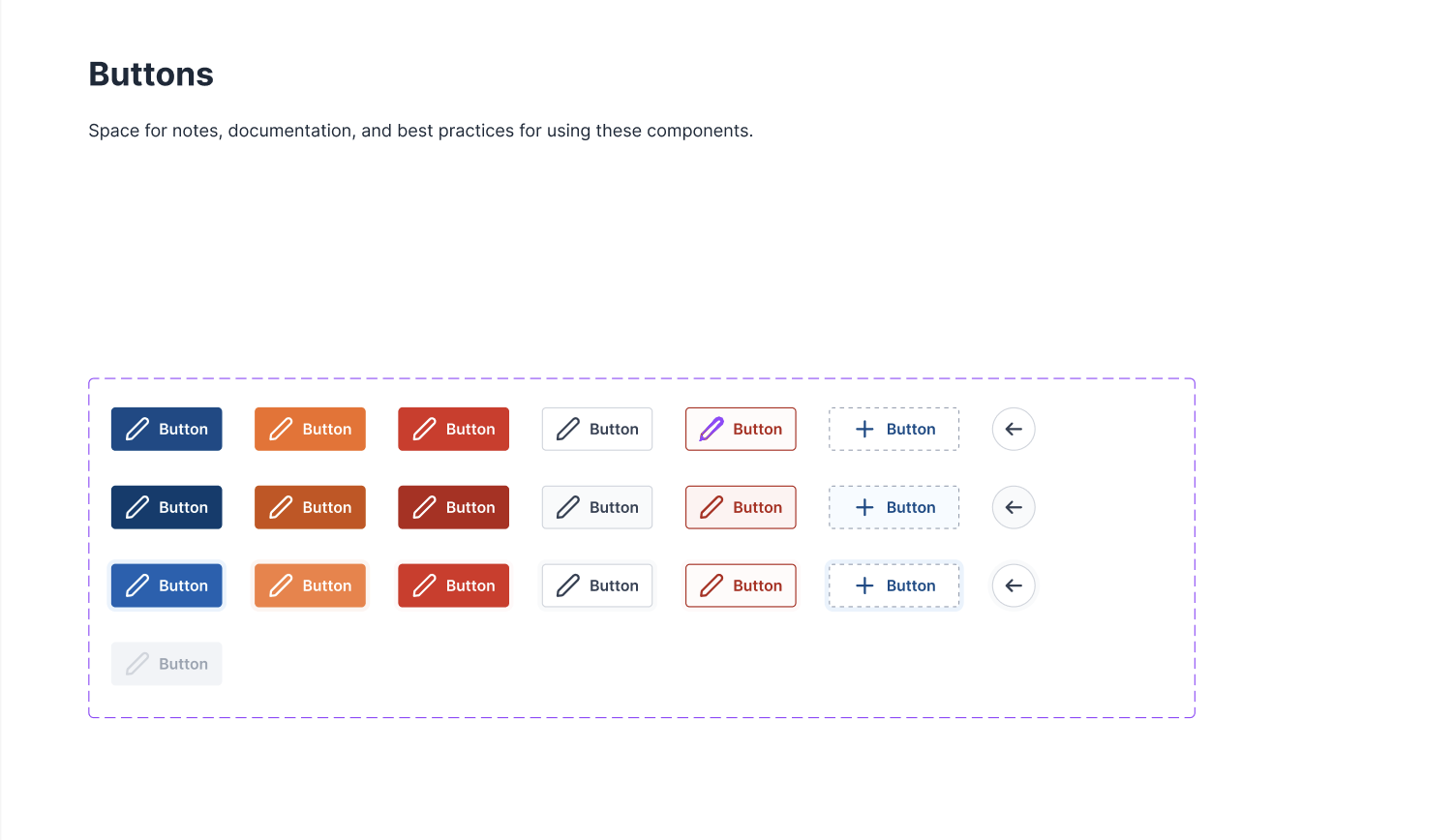
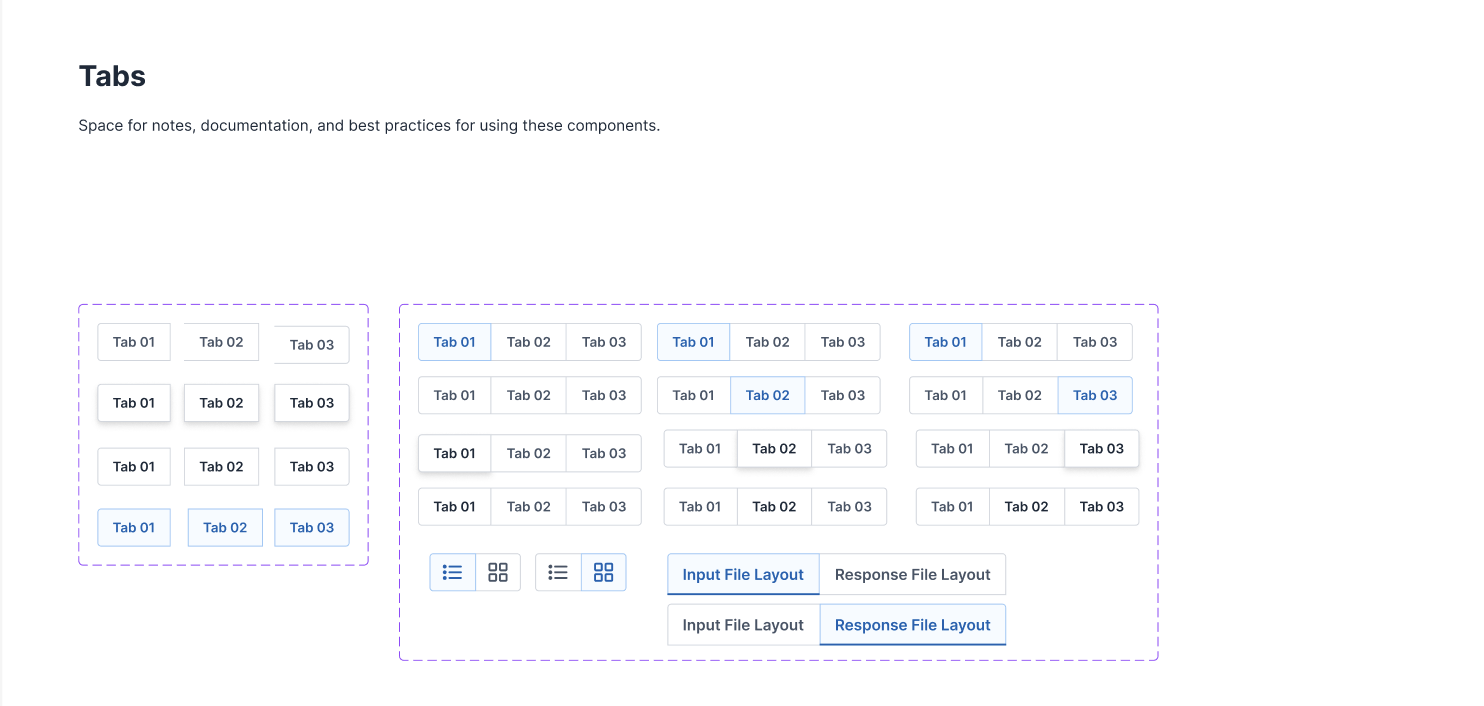
By adhering to the design system, we streamlined the high-fidelity design process, ensuring consistency across all aspects of the product while expediting development and fostering efficiency in future iterations.
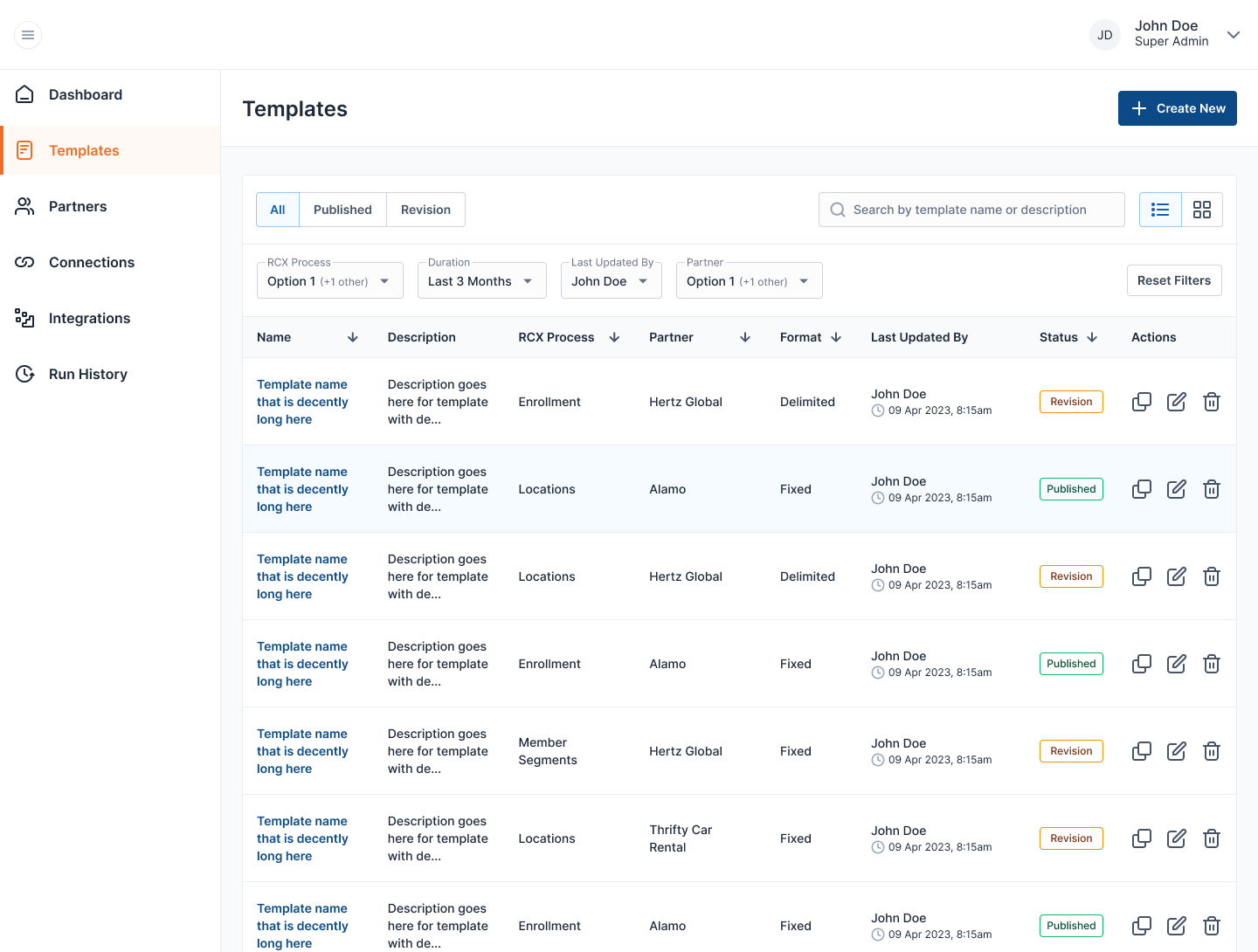


In summary, our project involved thorough user exploration, iterative design, and the implementation of a robust design system. Through stakeholder engagement, we refined our approach and delivered a high-fidelity design that met user expectations. The establishment of a design system ensured consistency and scalability for future enhancements, culminating in a successful solution ready to optimize operations and user experience.
If possible I would really like to go back and do some usability testing with how the product today came out to be, and find out if the expected use cases are how users actually use the product. Follow up testing I believe would ensure that the decisions we made are on the right path, or if we need to pivot work.